

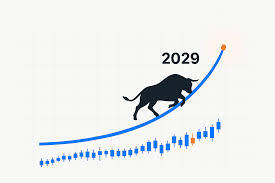

The Crypto Bull Run 2026 cryptocurrency market has always been known for its volatility, rapid growth, and sudden downturns. As we approach 2026, investors, traders, and businesses are asking the same critical question: Are we heading into another crypto bull run, or is a major crash on the horizon?
Crypto Bull Run 2026
Understanding what lies ahead requires analyzing market cycles, technological advancements, global regulations, and investor sentiment. Let’s break it down in a simple and practical way.
Understanding Crypto Market Cycles
Cryptocurrency markets typically move in cycles—bull runs (rapid price increases) followed by bear markets (price declines). Historically, these cycles are heavily influenced by events like Bitcoin halving, macroeconomic conditions, and institutional adoption.
The last major bull run (2020–2021) saw Bitcoin and altcoins reach all-time highs, driven by increased adoption and institutional investment. This was followed by a correction phase in 2022–2023, where prices dropped significantly.
Now, the market is once again at a turning point.
Key Factors That Could Drive a Bull Run in 2026
1. Bitcoin Halving Effect
Bitcoin halving events historically trigger bullish momentum. The most recent halving (2024) reduces mining rewards, decreasing supply. If demand remains strong, this could push prices higher in 2025–2026.
2. Institutional Adoption
Large financial institutions are increasingly entering the crypto space. From ETFs to blockchain investments, institutional money adds credibility and liquidity, which often fuels long-term growth.
3. Global Adoption of Blockchain Technology
Beyond cryptocurrencies, blockchain is being adopted in industries like finance, healthcare, and logistics. This broader acceptance strengthens the overall crypto ecosystem.
4. Retail Investor Comeback
When markets show signs of recovery, retail investors often re-enter aggressively, creating momentum that drives prices upward.
Warning Signs of a Potential Crypto Crash
While bullish signals are strong, there are also risks that could lead to a market downturn.
1. Regulatory Pressure
Governments worldwide are tightening regulations on cryptocurrencies. Strict policies or bans in major economies could negatively impact the market.
2. Market Overvaluation
If prices rise too quickly without strong fundamentals, the market could become overvalued—leading to a sharp correction.
3. Global Economic Conditions
Inflation, interest rates, and economic slowdowns can influence crypto markets. When traditional markets struggle, investors may pull out of high-risk assets like crypto.
4. Security Issues and Scams
High-profile hacks, fraud, or exchange collapses can shake investor confidence and trigger panic selling.
Bull Run vs Crash: What’s More Likely in 2026?
The most realistic scenario isn’t purely a bull run or a crash—it’s a mix of both.
Crypto markets often experience:
- Strong upward trends followed by corrections
- Sudden volatility driven by news or regulations
- Cycles within cycles (mini bull and bear phases)
However, based on historical patterns and current trends, a bullish phase leading into 2026 appears more likely, especially if institutional adoption continues and global acceptance grows.
Smart Investment Strategies for 2026
Instead of trying to predict the market perfectly, smart investors focus on preparation.
1. Diversify Your Portfolio
Don’t rely on a single cryptocurrency. Spread investments across Bitcoin, Ethereum, and promising altcoins.
2. Use Dollar-Cost Averaging (DCA)
Investing a fixed amount regularly reduces the risk of buying at the wrong time.
3. Stay Updated
Follow market trends, news, and regulatory developments to make informed decisions.
4. Avoid Emotional Trading
Fear and greed drive bad decisions. Stick to a long-term strategy.
5. Secure Your Assets
Use trusted wallets and exchanges, and prioritize security to avoid losses.
Final Thoughts
The crypto market in 2026 holds both exciting opportunities and significant risks. While signs point toward a potential bull run fueled by adoption and innovation, the possibility of corrections or crashes cannot be ignored.
The key is not to predict the future perfectly—but to prepare for all scenarios.
Whether the market surges or dips, those who stay informed, disciplined, and strategic will be best positioned to succeed.


