


Stablecoins in 2026 Stablecoins have evolved far beyond their original purpose as simple trading tools. In 2026, they are becoming the backbone of digital finance — powering cross-border payments, decentralized finance (DeFi), institutional settlements, and even tokenized real-world assets.
Stablecoins in 2026
What Are Stablecoins — And Why Do They Matter?
Stablecoins are cryptocurrencies designed to maintain a stable value, usually pegged to fiat currencies like the US dollar. Unlike volatile assets such as Bitcoin or Ethereum, stablecoins aim to offer price stability while retaining blockchain benefits such as transparency, programmability, and global accessibility.
The largest players in the space, including Tether (USDT) and Circle (USDC), have already processed trillions in transaction volume over the past few years.
In 2026, stablecoins are no longer just liquidity tools for traders — they are digital payment rails competing with traditional banking systems.
1. Stablecoins as Global Payment Infrastructure
One of the biggest trends in 2026 is the use of stablecoins for real-world payments. Businesses are increasingly adopting them for:
-
Cross-border transactions
-
Freelancer and remote payroll
-
E-commerce settlements
-
International trade
Traditional SWIFT transfers can take days and involve multiple intermediaries. Stablecoin transactions settle in minutes — sometimes seconds — with significantly lower fees.
Emerging markets, in particular, are benefiting from dollar-backed stablecoins as alternatives to unstable local currencies.
2. Regulatory Clarity Reshaping the Market
Regulation has been the defining factor for stablecoins leading into 2026. Governments worldwide have recognized their growing importance and are introducing structured frameworks to regulate issuance, reserves, and transparency.
Key regulatory trends include:
-
Mandatory reserve audits
-
Clear asset-backing requirements
-
Licensing frameworks for issuers
-
Consumer protection guidelines
This clarity is boosting institutional confidence. Instead of avoiding stablecoins due to compliance risks, financial institutions are now integrating them into payment and settlement systems.
Regulation isn’t slowing stablecoins — it’s legitimizing them.
3. Institutional Adoption Accelerates
Stablecoins are increasingly used by:
-
Asset managers
-
Payment processors
-
Fintech platforms
-
Corporate treasuries
Institutions are using stablecoins for on-chain settlement of tokenized assets, treasury management, and liquidity operations.
In tokenized bond markets and real-world asset (RWA) ecosystems, stablecoins act as the settlement layer. This creates a powerful synergy between traditional finance and blockchain infrastructure.
In 2026, stablecoins aren’t speculative instruments — they’re operational tools.
4. Growth of Yield-Bearing Stablecoins
Another major development is the rise of yield-generating stablecoins. Instead of holding idle digital dollars, users can earn returns through:
-
On-chain treasury exposure
-
Lending protocols
-
Tokenized money market funds
This merges traditional fixed-income products with blockchain programmability.
However, investors in 2026 are more cautious. After earlier market disruptions, transparency and collateral quality are top priorities. The market now favors fully backed, transparent models over experimental algorithmic designs.
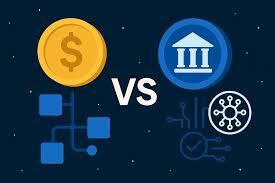
5. Stablecoins vs. CBDCs
Central Bank Digital Currencies (CBDCs) are expanding globally. However, stablecoins and CBDCs are not necessarily competitors.
CBDCs are state-issued digital currencies, while stablecoins are privately issued. In 2026:
-
CBDCs focus on domestic monetary systems.
-
Stablecoins dominate cross-border and crypto-native applications.
Many analysts predict a hybrid ecosystem where CBDCs handle national infrastructure while stablecoins power global decentralized finance.
6. Multi-Chain Expansion & Interoperability
Stablecoins in 2026 operate across multiple blockchain networks. They are no longer limited to a single chain like Ethereum.
Thanks to improved interoperability protocols, stablecoins can seamlessly move between ecosystems such as:
-
Layer-2 networks
-
High-speed blockchains
-
Institutional permissioned chains
This multi-chain approach improves scalability and reduces transaction costs, making stablecoins practical for daily microtransactions and enterprise use.
7. Risks & Challenges Ahead
Despite massive growth, stablecoins still face challenges:
Reserve Transparency
Trust depends entirely on asset backing.
Regulatory Fragmentation
Different countries apply different rules.
Systemic Risk Concerns
Large-scale adoption means potential macroeconomic impact.
Competition
New entrants and bank-issued digital currencies are entering the space.
Stablecoins in 2026
Predictions for Stablecoins Beyond 2026
Looking ahead, several developments seem likely:
-
Stablecoin market capitalization will continue expanding as institutional demand grows.
-
More banks may issue regulated, branded stablecoins.
-
Stablecoins could integrate directly into mainstream fintech apps.
-
Tokenized asset markets will increasingly rely on stablecoin settlement layers.
-
Programmable payments will transform subscription services, payroll, and trade finance.
Final Thoughts
The stablecoin market in 2026 reflects a broader transformation in digital finance. What began as a simple solution for crypto trading volatility has evolved into a foundational layer for payments, settlement, DeFi, and institutional finance.


