

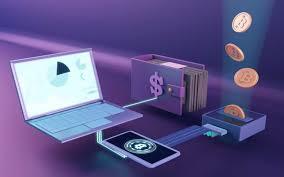

Crypto Security Best Practices As cryptocurrency adoption grows globally, security remains one of the most critical concerns for investors. Unlike traditional banking systems, crypto transactions are irreversible. If funds are stolen, they are usually gone permanently. That’s why understanding crypto security best practices is essential in 2026.
Crypto Security Best Practices
Whether you hold Bitcoin, Ethereum, or diversified altcoins, protecting your digital assets should be your top priority.Let’s explore the most effective strategies to secure your crypto investments.
1. Use Hardware Wallets for Long-Term Storage
One of the most important security practices is storing crypto in a hardware wallet instead of leaving it on exchanges.
Hardware wallets such as Ledger and Trezor store private keys offline, protecting them from hackers and malware.
This method is known as “cold storage.” Since the wallet is not constantly connected to the internet, it significantly reduces exposure to cyber threats.
For long-term investors, hardware wallets are considered the gold standard of crypto security.
2. Avoid Keeping Large Funds on Exchanges
Crypto exchanges like Binance and Coinbase provide convenience for trading. However, keeping large amounts of funds on exchanges increases risk.
Even well-established platforms have experienced hacks in the past. While many exchanges now maintain insurance funds and strong security systems, self-custody remains safer for long-term holdings.
A simple rule:
Use exchanges for trading, not for storage.
3. Enable Two-Factor Authentication (2FA)
Always activate two-factor authentication (2FA) on:
- Exchange accounts
- Wallet apps
- Email accounts linked to crypto platforms
Avoid SMS-based 2FA if possible. Instead, use authenticator apps like Google Authenticator or Authy, which are less vulnerable to SIM-swapping attacks.
2FA adds an extra security layer, requiring a temporary code along with your password.
4. Protect Your Private Keys and Seed Phrases
Your private key or seed phrase is the master access to your crypto funds. Anyone who gains access to it can control your assets.
Best practices include:
- Write your seed phrase on paper (not digitally stored)
- Store it in a secure, fireproof location
- Never share it with anyone
- Avoid taking screenshots
No legitimate company will ever ask for your seed phrase. If someone asks, it is a scam.
5. Beware of Phishing Scams
Phishing attacks remain one of the most common crypto threats in 2026.
Scammers often create fake websites that mimic legitimate platforms like MetaMask or popular exchanges. They may send emails or social media messages asking you to “verify” your account.
To stay safe:
- Double-check URLs before logging in
- Bookmark official websites
- Avoid clicking suspicious links
- Verify email sender addresses carefully
When in doubt, navigate directly to the official website instead of clicking links.
6. Use Strong, Unique Passwords
Reusing passwords across platforms increases risk. If one account is compromised, others may follow.
Use:
- Long passwords (12+ characters)
- A combination of letters, numbers, and symbols
- A trusted password manager to store credentials securely
Password managers generate and store complex passwords safely, reducing human error.
7. Keep Software Updated
Outdated software can contain vulnerabilities that hackers exploit.
Regularly update:
- Wallet applications
- Browser extensions
- Operating systems
- Antivirus software
Security patches are released frequently, and installing them promptly reduces risk exposure.
8. Diversify Storage Methods
Advanced investors often split their holdings across multiple storage methods:
- Hardware wallets
- Secure mobile wallets
- Multisignature wallets
Multisignature wallets require multiple approvals before transactions are executed, adding an additional layer of protection.
Diversification reduces the impact of a single point of failure.
9. Be Cautious with DeFi and Smart Contracts
Decentralized finance (DeFi) platforms offer high yields but also carry smart contract risks.
Before connecting your wallet:
- Research the platform
- Verify audits
- Check community reviews
- Limit approval permissions
Revoke unnecessary token approvals regularly using blockchain explorers or wallet tools.
Even established platforms can face vulnerabilities, so risk management is crucial.
10. Watch for Social Engineering Attacks
Not all attacks are technical. Some are psychological.
Scammers may impersonate support agents, influencers, or even friends. They may create urgency, claiming your account is compromised.
Remember:
- Official support teams do not DM first
- Never share private details via social media
- Take time to verify suspicious messages
Staying calm and skeptical protects you from manipulation.
11. Consider Crypto Insurance
In 2026, some custodial services and DeFi platforms offer limited insurance coverage. While not a substitute for security practices, insurance can provide additional protection.
However, always read policy details carefully to understand coverage limits and conditions.
The Importance of Personal Responsibility
Crypto investing offers financial independence — but also personal responsibility.
Unlike banks, there is no “password reset” for lost private keys. Security awareness must become part of every investor’s routine.
Treat your crypto portfolio like a digital vault. The stronger the protection, the safer your investments.
Conclusion
Crypto security best practices in 2026 revolve around proactive protection, awareness, and smart storage decisions. Using hardware wallets, enabling 2FA, safeguarding seed phrases, avoiding phishing scams, and diversifying storage methods are essential strategies for every investor.
As the crypto ecosystem grows, so do threats. But with proper security habits, investors can significantly reduce risk and confidently participate in the digital asset revolution.
In the world of crypto, security is not optional — it is the foundation of successful investing.


