

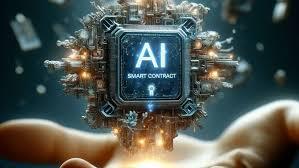

AI-Powered Smart Contracts 2026 Smart contracts have been one of the most revolutionary innovations in blockchain technology. First popularized on platforms like Ethereum, smart contracts enabled automated agreements that execute without intermediaries.
AI-Powered Smart Contracts 2026
But in 2026, we are witnessing the next evolution: AI-powered smart contracts.By integrating artificial intelligence with blockchain automation, smart contracts are becoming more adaptive, intelligent, and capable of handling complex real-world scenarios.This fusion of AI and decentralized systems is reshaping industries from finance to supply chains.
What Are AI-Powered Smart Contracts?
Traditional smart contracts execute predefined instructions when specific conditions are met. For example, “If payment is received, transfer ownership.”
They incorporate machine learning algorithms and data analysis capabilities, allowing them to:
- Adapt to changing conditions
- Analyze historical data
- Make predictive decisions
- Optimize execution processes
Instead of static rule-based automation, these contracts can evaluate dynamic inputs and respond intelligently.
Why AI Integration Matters in 2026
Blockchain systems are deterministic — they follow fixed rules. AI systems, on the other hand, learn from patterns and improve over time. Combining the two technologies creates powerful automation tools.
In 2026, this integration enables:
- Smarter decentralized finance (DeFi) agreements
- Adaptive insurance claim processing
- Automated legal contract adjustments
- Real-time supply chain optimization
Platforms such as Polygon and Solana are increasingly supporting scalable environments where AI-enhanced contracts can operate efficiently.
Key Applications of AI-Powered Smart Contracts
1. DeFi Risk Management
In decentralized finance, AI-enabled smart contracts can dynamically adjust collateral requirements based on market volatility. Instead of rigid thresholds, contracts analyze price trends and liquidity data to reduce liquidation risks.
Protocols evolving from platforms like Aave are experimenting with AI-assisted decision-making layers to improve capital efficiency.
2. Insurance Automation
AI-powered smart contracts can assess claims automatically using external data sources (weather data, IoT sensors, satellite imagery). For example:
- Crop insurance payouts triggered by drought conditions
- Travel insurance refunds based on flight delays
The AI layer evaluates context before triggering payment, reducing fraud and administrative delays.
3. Supply Chain Management
Smart contracts integrated with AI can monitor shipping data, predict delays, and adjust payment terms accordingly. If a shipment is predicted to arrive late due to weather conditions, the contract could automatically apply penalty clauses or extend deadlines.
This increases transparency and trust among global trading partners.
4. Tokenized Asset Management
As tokenized real-world assets grow, AI-powered contracts can manage dividend distributions, asset valuation adjustments, and investor risk analysis automatically.
For instance, if rental income fluctuates in a tokenized real estate project, the contract can optimize distribution strategies based on predictive revenue models.
Benefits of AI-Powered Smart Contracts
Enhanced Efficiency
AI reduces manual oversight by analyzing massive data sets instantly. This accelerates execution and minimizes human error.
Adaptive Decision-Making
Unlike static contracts, AI-driven contracts evolve with new data inputs. This flexibility is especially useful in volatile markets.
Fraud Detection
Machine learning algorithms can detect suspicious activity patterns before contract execution, improving security.
Reduced Disputes
With intelligent evaluation mechanisms, fewer disagreements arise over contract conditions because outcomes are data-driven and transparent.
Technical Challenges
While promising, AI-powered smart contracts face technical and ethical challenges.
Data Reliability
AI depends heavily on accurate data. If external data sources (oracles) are compromised, contract decisions may be flawed.
Transparency Concerns
Blockchain is transparent, but AI decision-making can sometimes appear like a “black box.” Ensuring explainable AI models is critical for trust.
Computational Costs
AI algorithms require significant computing power. Running complex models directly on-chain can be expensive. Hybrid solutions combining on-chain execution with off-chain AI processing are becoming more common.
Regulatory Considerations in 2026
As automation becomes more intelligent, legal frameworks must adapt. Questions arise such as:
- Who is responsible if an AI-powered contract makes an incorrect decision?
- How can AI-driven agreements comply with international regulations?
Governments are beginning to explore standards for AI accountability in blockchain systems. Clear guidelines will be essential for mainstream adoption.
The Future Outlook
The next generation of AI-powered smart contracts may include:
- Self-optimizing decentralized autonomous organizations (DAOs)
- On-chain AI governance systems
- Predictive treasury management tools
- Real-time economic policy simulations
As artificial intelligence continues advancing, smart contracts will likely move beyond execution tools and become strategic decision-making engines within decentralized ecosystems.
Conclusion
AI-powered smart contracts in 2026 represent a major leap forward for blockchain automation. By combining deterministic execution with intelligent data analysis, they unlock new levels of efficiency, adaptability, and scalability.
From DeFi risk management to insurance automation and supply chain optimization, the integration of AI into blockchain systems is creating smarter digital agreements that can handle real-world complexity.
While challenges remain — particularly around transparency, regulation, and computational cost — the trajectory is clear. AI-powered smart contracts are poised to become foundational components of the next-generation digital economy.
As industries continue merging artificial intelligence with decentralized technology, the concept of automated agreements is no longer just about executing code — it’s about enabling intelligent, self-improving systems that redefine how global transactions operate.


