

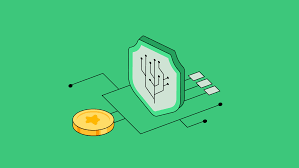

Tokenized Commodities The financial world is evolving rapidly, and one of the most exciting developments is the rise of tokenized commodities. From gold and oil to agricultural products and rare metals, real-world assets are now being digitized on blockchain networks. This innovation is reshaping how investors access, trade, and own commodities worldwide.But what exactly are tokenized commodities, and why are they gaining attention?
Tokenized Commodities
What Are Tokenized Commodities?
Tokenized commodities are digital representations of physical assets recorded on a blockchain.These tokens can be bought, sold, and traded just like cryptocurrencies.
How Tokenization Works
The process typically involves:
- Asset Custody – Physical commodities are securely stored in regulated vaults or storage facilities.
- Token Issuance – Blockchain tokens are minted to represent ownership of the stored commodity.
- Trading & Transfer – Investors trade tokens on exchanges or peer-to-peer platforms.
Smart contracts automate transactions, ensuring transparency, security, and efficiency.
Why Gold and Oil Lead the Way
Gold Tokenization
Gold has always been considered a safe-haven asset.
Tokenized gold eliminates many of these barriers:
- Fractional ownership (buy as little as 0.01 grams)
- Instant global transfers
- Reduced storage concerns
- Transparent blockchain verification
In volatile markets, tokenized gold provides both digital convenience and physical asset backing.
Oil Tokenization
Oil markets are traditionally dominated by large institutions and futures traders. Tokenization opens the market to retail investors.
With tokenized oil:
- Smaller investors gain exposure
- Cross-border transactions become easier
- Settlement times are significantly reduced
Although oil tokenization is still emerging compared to gold, it represents massive potential due to the global scale of energy markets.
Benefits of Tokenized Commodities
1. Increased Liquidity
Traditional commodities can be illiquid or slow to trade. Blockchain-based tokens can be traded 24/7 on digital exchanges.
2. Fractional Ownership
Investors no longer need large capital to access premium assets. Tokenization lowers entry barriers significantly.
3. Transparency
Blockchain technology provides a transparent ledger of ownership and transactions, reducing fraud risks.
4. Global Accessibility
Anyone with internet access can potentially invest, eliminating geographical restrictions.
5. Lower Costs
Reduced intermediaries mean lower transaction and storage costs compared to traditional commodity investing.
Beyond Gold and Oil
While gold and oil dominate the conversation, tokenization extends much further.
Silver and Precious Metals
Tokenized silver and platinum offer diversification opportunities.
Risks and Challenges
Despite the advantages, tokenized commodities are not without risks.
Regulatory Uncertainty
Governments worldwide are still developing frameworks for digital assets. Regulatory changes could impact tokenized commodity platforms.
Custody and Trust
Investors must trust that the physical asset truly backs the digital token. Reputable custodians and third-party audits are crucial.
Market Volatility
While commodities like gold are relatively stable, oil and other assets can experience significant price fluctuations.
Technology Risks
Blockchain networks may face cybersecurity threats or technical vulnerabilities.
Investors should conduct thorough research before participating.
The Role of DeFi
Decentralized Finance (DeFi) platforms are beginning to integrate tokenized commodities as collateral for lending and borrowing. This creates new financial possibilities, such as:
- Borrowing stablecoins against tokenized gold
- Yield generation through liquidity pools
- Cross-asset diversification within DeFi ecosystems
As blockchain adoption grows, tokenized commodities could become foundational elements of decentralized financial systems.
Institutional Adoption
Major financial institutions are exploring asset tokenization. Banks, investment firms, and even central banks recognize blockchain’s efficiency benefits. Large-scale adoption could:
- Improve settlement efficiency
- Reduce operational costs
- Increase global market participation
The Future of Tokenized Commodities
Tokenized commodities represent the convergence of traditional finance and blockchain technology. As regulatory clarity improves and infrastructure strengthens, adoption is expected to accelerate.
In the coming years, we may see:
- Regulated digital commodity exchanges
- Government-backed tokenized assets
- Integration with traditional banking apps
- Increased institutional investment
- The digital transformation of physical assets is no longer theoretical—it is actively reshaping financial markets.
Conclusion
Tokenized commodities like gold, oil, and beyond are redefining how investors access real-world assets. By combining the security of physical commodities with the efficiency of blockchain, this innovation offers greater liquidity, transparency, and accessibility.
While challenges remain, the long-term outlook appears promising. As technology evolves and regulations mature, tokenized commodities could become a core component of global investment strategies.For investors seeking diversification and digital convenience, the future may very well lie in blockchain-backed physical assets.


