

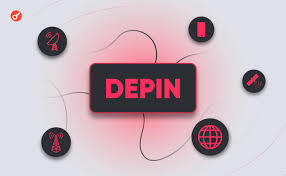

Decentralized Physical Infrastructure Networks (DePIN) The world is moving toward decentralization at a rapid pace. From decentralized finance (DeFi) to NFTs and blockchain-based applications, Web3 has disrupted traditional industries. Now, a new innovation is reshaping how physical infrastructure is built and maintained — Decentralized Physical Infrastructure Networks (DePIN).
Decentralized Physical Infrastructure Networks (DePIN)
DePIN represents a revolutionary model where blockchain technology incentivizes individuals and businesses to build and operate real-world infrastructure networks. Instead of relying on centralized corporations, these systems are owned and operated by communities.
Let’s explore why DePIN is considered one of the most promising sectors in blockchain technology.
What is DePIN?
Decentralized Physical Infrastructure Networks (DePIN) combine blockchain incentives with real-world hardware infrastructure. Participants contribute physical resources — such as wireless hotspots, storage devices, energy systems, or computing power — and earn crypto tokens as rewards.
In simple terms:
- People provide physical infrastructure.
- Blockchain verifies contributions.
- Tokens reward participation.
This model removes reliance on centralized infrastructure giants and creates open, permissionless networks.
How DePIN Works
DePIN operates on three key components:
1. Physical Infrastructure
Participants deploy hardware such as wireless transmitters, storage nodes, GPUs, or sensors.
2. Blockchain Layer
Smart contracts record activity, verify performance, and distribute token incentives.
3. Token Incentives
Native tokens motivate users to contribute infrastructure and maintain network quality.
This system aligns economic incentives with network growth — making it scalable and community-driven.
Real-World Examples of DePIN Projects
Several blockchain projects are already pioneering DePIN solutions:
1. Helium
Helium allows users to deploy wireless hotspots that provide IoT connectivity. In return, they earn HNT tokens. It aims to build a decentralized alternative to traditional telecom providers.
2. Filecoin
Filecoin enables users to rent out unused storage space. Contributors earn FIL tokens while users access decentralized cloud storage services.
3. Render
Render connects artists and developers with distributed GPU providers for rendering services, rewarding node operators with RNDR tokens.
These projects demonstrate how blockchain can power real-world services beyond finance.
Why DePIN is Gaining Momentum in 2026
Several trends are accelerating DePIN adoption:
1. Rising Infrastructure Costs
Traditional infrastructure projects require massive capital investment. DePIN distributes costs across thousands of participants.
2. Demand for Decentralization
Concerns over monopolies and centralized control push industries toward decentralized alternatives.
3. Tokenized Incentives
Crypto incentives encourage rapid network growth without relying on traditional funding models.
4. Web3 Expansion
As blockchain ecosystems expand, decentralized infrastructure becomes essential to support decentralized applications (dApps).
Key Use Cases of DePIN
DePIN is transforming multiple industries:
Telecommunications
Community-owned wireless networks reduce reliance on centralized telecom giants.
Cloud Storage
Decentralized storage networks challenge providers like AWS and Google Cloud by offering lower costs and censorship resistance.
Energy Grids
Blockchain-based microgrids allow communities to trade renewable energy peer-to-peer.
Computing Power
Decentralized GPU networks power AI training and high-performance computing workloads.
IoT Networks
Low-cost decentralized IoT coverage enables smart cities and connected devices globally.
Advantages of DePIN
1. Lower Costs
By crowdsourcing infrastructure, DePIN significantly reduces operational expenses.
2. Greater Transparency
Blockchain ensures transparent tracking of performance and payments.
3. Community Ownership
Networks are controlled by participants rather than corporations.
4. Global Accessibility
Anyone with hardware and internet access can participate.
5. Censorship Resistance
Decentralized systems reduce risks of shutdowns or centralized control.
Challenges Facing DePIN
Despite its potential, DePIN faces hurdles:
Regulatory Uncertainty
Governments are still defining regulations around tokenized infrastructure.
Scalability Issues
Managing millions of physical devices requires efficient coordination.
Hardware Costs
Initial setup costs may discourage small participants.
Market Volatility
Token price fluctuations impact network incentives.
Overcoming these challenges will be crucial for long-term success.
DePIN and the Future of Web3
DePIN is often described as the “real-world extension” of Web3. While DeFi decentralized finance, DePIN decentralizes infrastructure itself.
By 2026 and beyond, analysts predict that DePIN could become a multi-billion-dollar sector. As artificial intelligence, IoT, and edge computing expand, decentralized infrastructure will play a vital role in supporting next-generation applications.
Investors are increasingly viewing DePIN as a bridge between digital assets and real-world utility — making it one of the most promising blockchain narratives.
Is DePIN a Good Investment Opportunity?
While DePIN projects show strong growth potential, they also carry risks:
- Regulatory changes
- Token volatility
- Technology adoption barriers
Investors should conduct thorough research before investing in DePIN tokens. However, the combination of real-world utility and blockchain incentives makes this sector particularly attractive compared to purely speculative crypto assets.
Conclusion
Decentralized Physical Infrastructure Networks (DePIN) represent a powerful shift in how infrastructure is built, funded, and maintained. By combining blockchain technology with physical hardware, DePIN enables community-driven networks that are transparent, cost-effective, and globally accessible.
As Web3 evolves, DePIN may become one of the foundational pillars supporting decentralized applications, AI systems, and smart cities worldwide.
The future of infrastructure may not belong to corporations — it may belong to communities.


 are transforming telecom, cloud storage,energy through blockchain.)